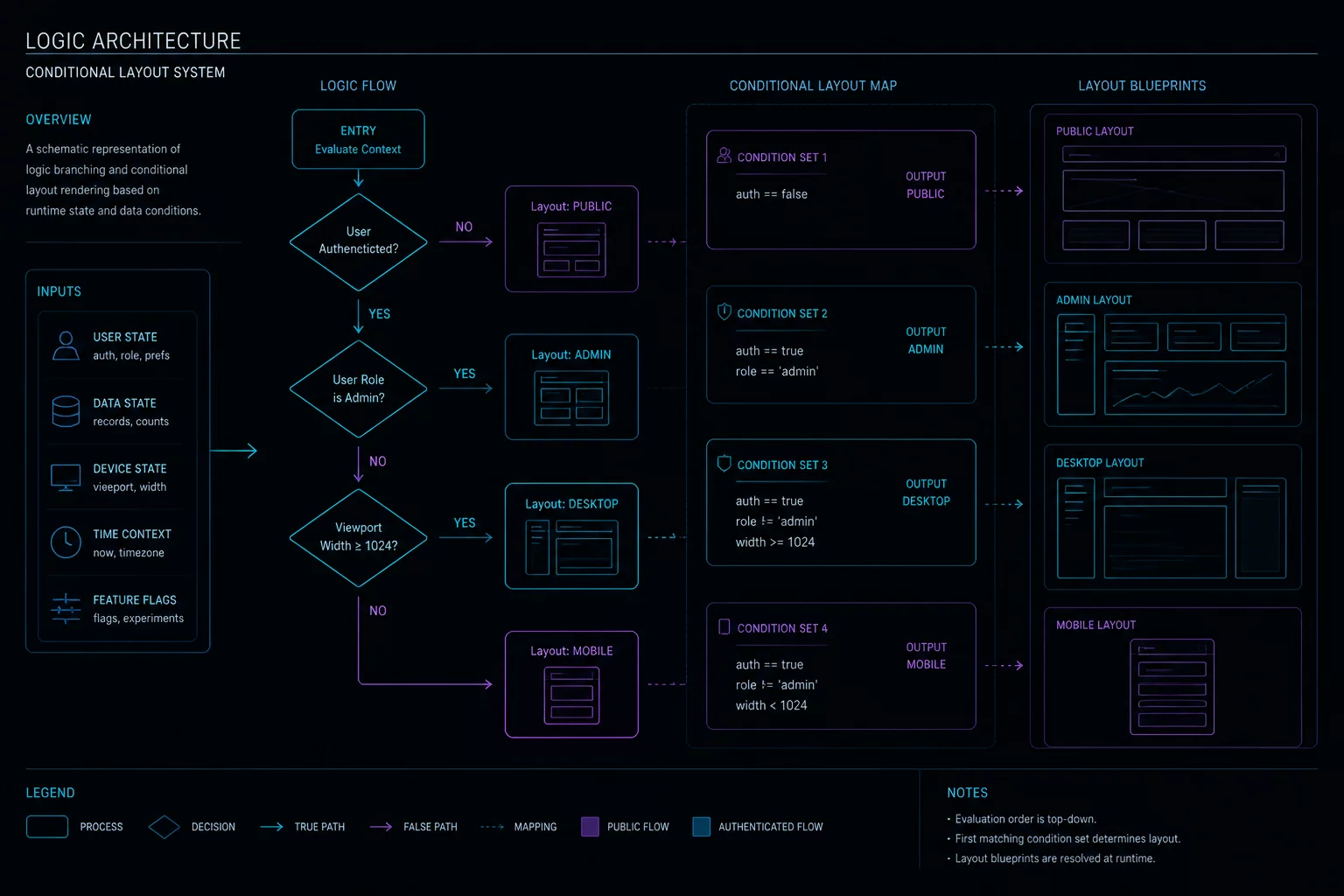

Establishing Robust Foundation Grids and Flow Bounds
Scalable publishing systems rely on rigid geometric discipline combined with elastic internal containers. When orchestrating automated document generation across thousands of varied data rows, layout frames must anticipate extreme discrepancies in string lengths, image dimensions, and nested hierarchy depth. Establishing strict outer boundaries on master spreads prevents uncontrolled elements from trespassing into adjoining margins or trim zones.
Inside those designated boundaries, text frames should utilize relative alignment rules and dynamic baseline snapping. By isolating data insertion zones into self-contained vertical stacks, downstream elements respond predictably as text contracts or expands. This systematic containment eliminates manual touch-ups during high-volume production runs.
Explore Pre-Tested Variable Grid Blueprints
Implement validated layout engines built specifically for complex variable batch outputs and dynamic master page logic.
Managing Hierarchy and Dynamic Content Adaptation
Variable workflows often encounter edge cases where field values vary by hundreds of characters or contain missing image references. Structuring your styles with defensive typography ensures headlines, subheaders, and tabular specs retain proportional visual weight regardless of dynamic payload volume.
Proportional Type Leading & Scaling
Apply paragraph styles with proportional leading and automated tracking adjustments. When field contents exceed baseline expectations, anchored text frames absorb extra vertical lines without disrupting global margins.
Fallback Dimensioning & Placeholders
Define explicit minimum and maximum frame constraints for dynamic media slots. If linked image assets vary in aspect ratio, center-crop or fitted fill rules prevent frame distortion across generated records.
Step-by-Step Architecture for High-Volume Batches
Before deploying a variable layout into active production, verify that your underlying master frames satisfy these structural criteria:
- Anchor all dynamic callouts and child frames to their respective parent text flows to preserve sequential reading order.
- Configure automated column balancing and orphan suppression rules across multi-column text containers.
- Stress-test data bindings against synthetic maximum-length strings to detect overflow before committing to full batch export.