
Understanding the Root Causes of Variable Text Collisions
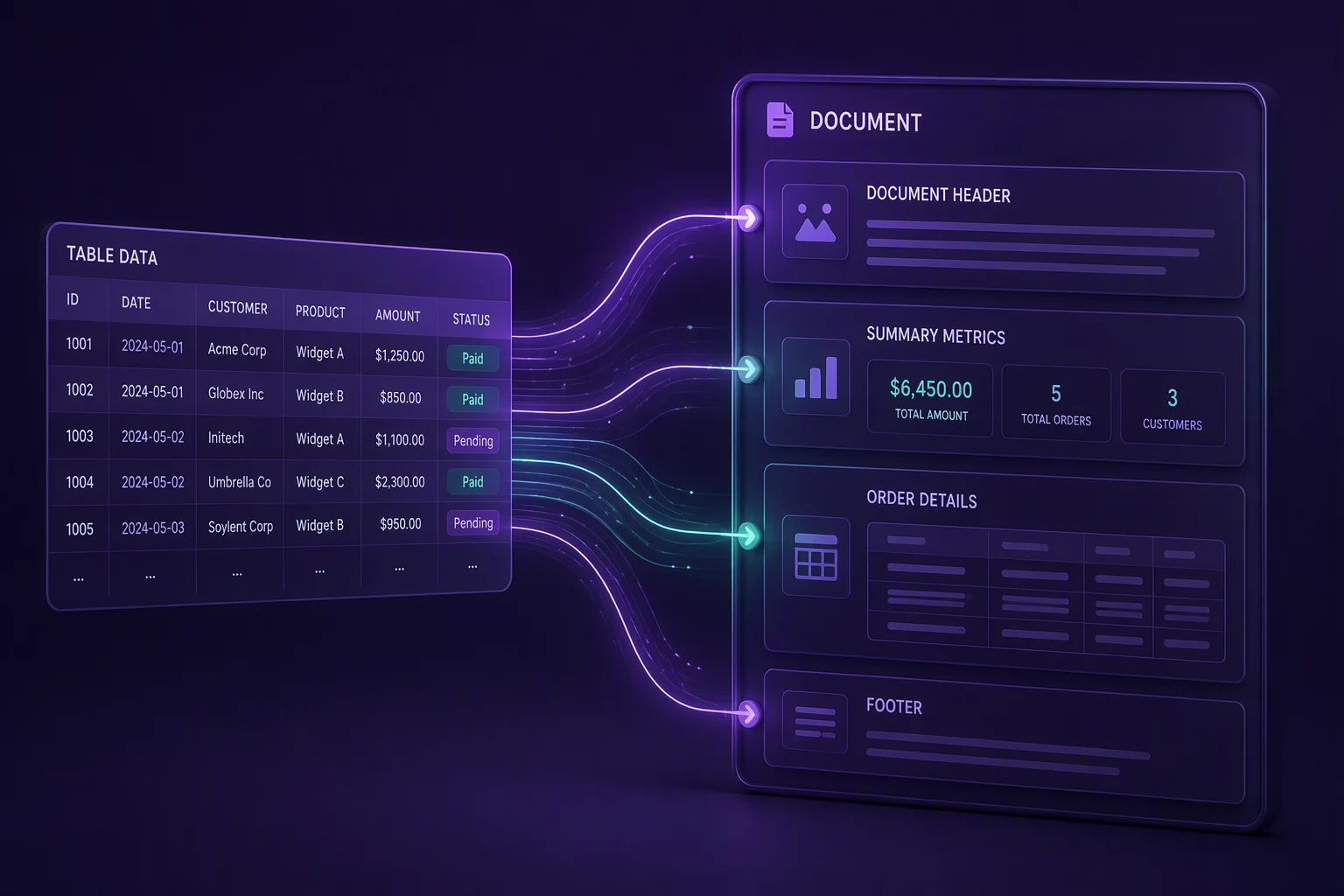
In variable data publishing, copy length is inherently unpredictable. Database entries deliver names ranging from four characters to hyphenated multi-word surnames spanning forty glyphs. Product descriptions, disclaimers, and translated localization strings expand up to 35% in languages like German or French. When text frames are hardcoded with static dimensions, longer content spills outside bounds, triggering silent overset text errors that compromise document integrity.
Preventing clipped text requires proactive layout architecture rather than post-generation remediation. Setting strict bounds, implementing dynamic font scaling constraints, and chaining linked overflow containers ensure every record renders cleanly without requiring manual typesetting intervention across thousands of batched pages.
Explore Production-Ready Master Templates
Access pre-configured catalog and document frameworks built with dynamic boundary rules and automated overflow safeguards.
Primary Strategies for Dynamic Text Accommodation
Modern variable rendering engines support multiple defensive mechanisms to gracefully adapt to text volume fluctuations. Balancing visual hierarchy with data density requires choosing the appropriate method based on content priority:
Proportional Font Auto-Scaling
Establish minimum and maximum font scale thresholds (e.g., 85%–100%). When copy exceeds boundary volume, the engine scales point size and horizontal tracking incrementally to fit within the designated container without distorting letterforms.
Secondary Flow Containers
Link parent containers to reserve sub-frames or footnote zones. When primary headers or summaries exceed line capacity, excess paragraphs flow into designated overflow areas automatically rather than truncating.
Step-by-Step Implementation Checklist for Production Runs
Before deploying a batch merge or automated export pipeline, verify that your document framework adheres to rigorous overflow prevention standards across all data edge cases:
- Run pre-flight stress tests using synthetic worst-case datasets containing maximum character counts and non-standard Unicode glyphs.
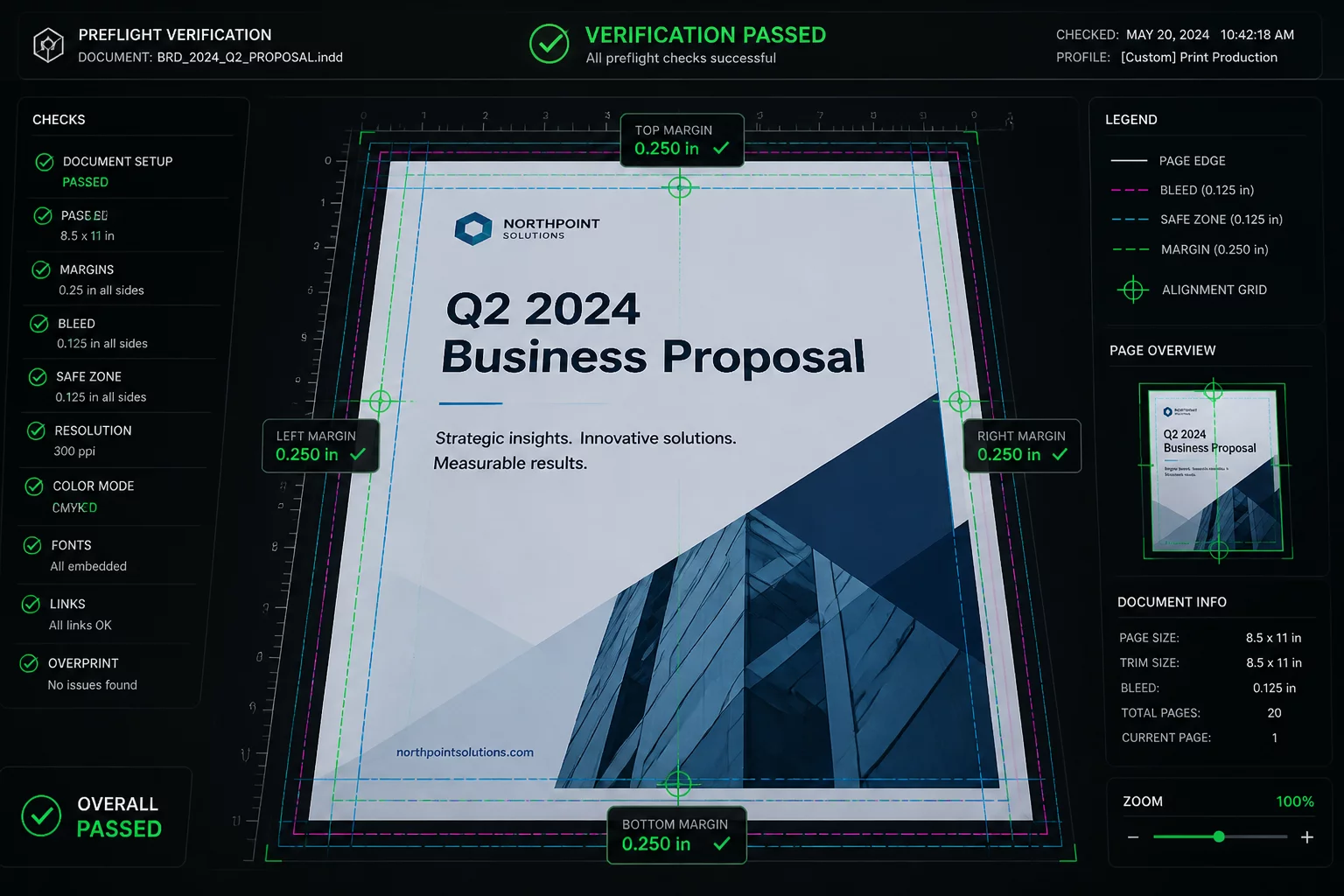
- Configure automated pre-flight assertions to halt export jobs immediately upon detecting any unhandled overset container status.
- Define fallback truncation rules with ellipsis glyphs only for non-critical metadata fields where legal or functional compliance is not mandatory.